ESOMAR Congress 2026: The Future of Research
By Cyrus Deyhimi, CEO Paradigm Sample
Last week I attended ESOMAR Congress 2026, and I left Valencia with a lot to think about.
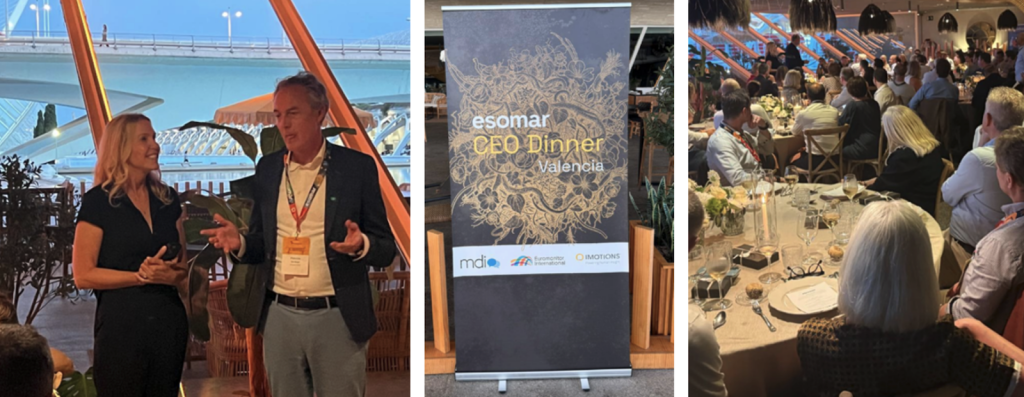
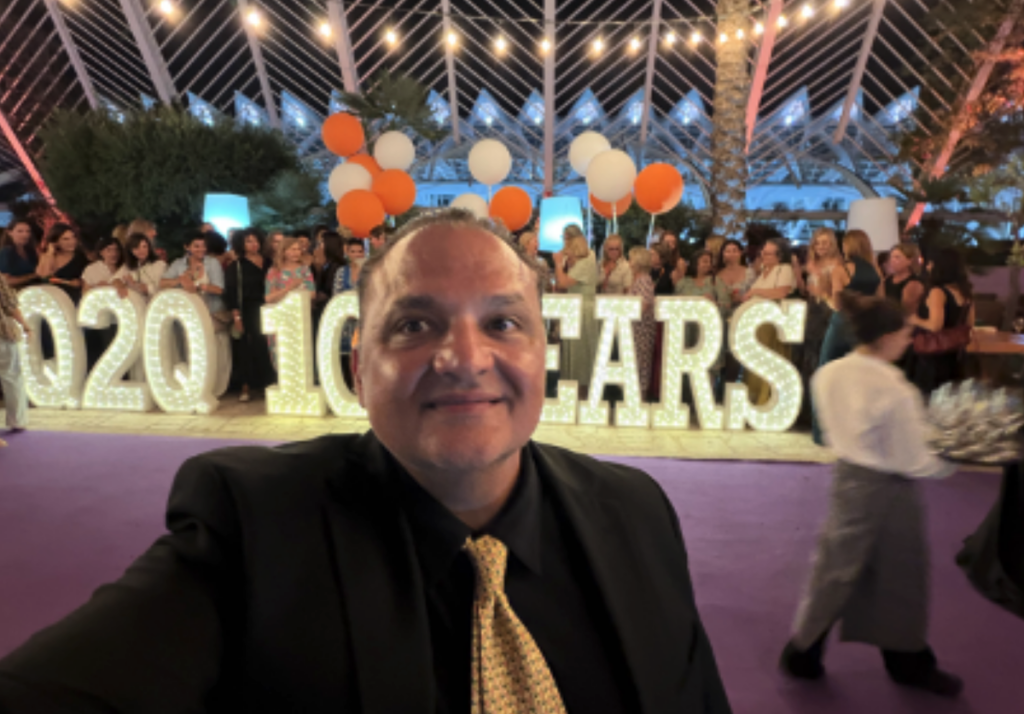
The conference was, as always, a great opportunity to reconnect with colleagues, meet new people, and get a sense of where the global research and insights industry is headed. From the CEO Dinner at the beautiful Palacio de Las Artes Reina Sofía to the presentations, conversations, and events throughout the week, there was no shortage of ideas. A few themes stood out to me:
1. AI is becoming an established part of the research infrastructure
AI was everywhere at Congress and increasingly its moving beyond a conversation about the future.
We’re seeing significant investment in companies using AI to rethink how research is designed, conducted, and delivered. AI is becoming part of the broader research process, from questionnaire development and qualitative research to analysis and reporting.
The opportunity to do research faster and more efficiently is significant. But there’s an important question we can’t lose sight of: How do we make sure technology and efficiency don’t come at the expense of data quality?
The quality of the underlying human responses still matters. The necessity for high-quality data is holding companies accountable to carefully vet new technology advances to preserve the quality of human responses.
2. End-to-End Platforms are changing the landscape
The competitive landscape for companies serving the research industry is changing. Technology is no longer designed to simply “support” research. New platforms are looking to provide researchers with centralized solutions so that researchers have fewer hand offs, fast execution, and a simple client experience.
There is an increase in the development of end-to-end research platforms. Rather than requiring researchers to piece together separate tools for recruitment, sample, survey programming, qualitative research, analysis, and reporting, newer platforms are attempting to bring more of that workflow together.
3. Traditional survey models are being challenged
New survey models are emerging that are looking to understand consumers through different sources of information and different approaches to gathering insights. .
As an industry, we are moving toward a world where researchers will have more methodologies to choose from than ever before. Now identifying the best approach will challenge some of the assumptions that have shaped survey research for decades. This is already starting to challenge researchers to need a better understanding of how to apply the best survey approach to capture their audience, market, and desired outcome.
Traditional research isn’t going away. However, it requires a more thorough understanding of the strengths and limitations of each methodology when choosing methodologies.
4. Partnerships are Uniting Research Organizations
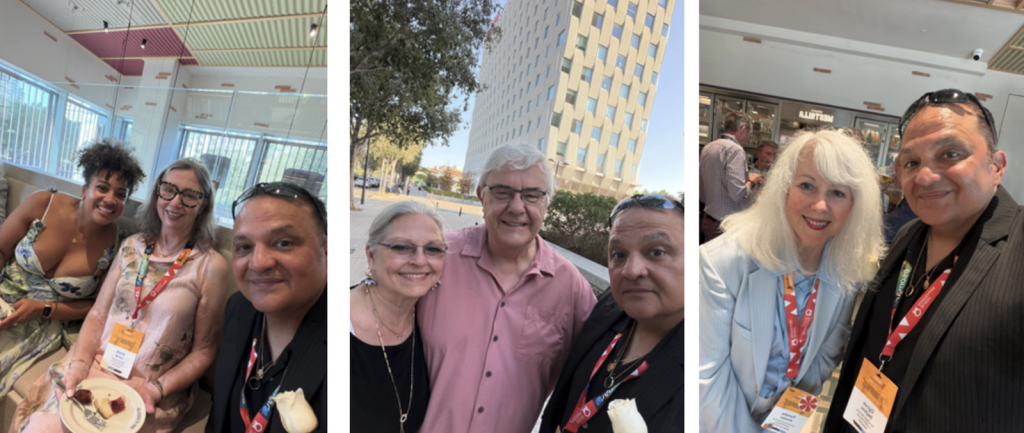
One of my biggest takeaways from Congress was the number of conversations around partnerships and collaboration.
Technology companies, sample providers, research firms, consultancies, and other organizations are increasingly looking for ways to connect their capabilities rather than trying to build everything themselves. We’ve seen the value of this firsthand through our partnership with Interbrand. By bringing different areas of expertise together, we can create new products and services that are much more valuable to clients.
I had a number of conversations in Valencia around technology integrations, sample access, regional capabilities, and potential partnerships. I’m looking forward to seeing where some of those conversations lead.
5. Global research requires local understanding
One of my favorite conversations at Congress was with Ireneus Adulmina Gundona of Consumer Insights Consult in Ghana.
He shared how research is conducted in his region, including the need for offline data collection in areas where connectivity can be limited. It was a great reminder that global research isn’t about taking one model and applying it everywhere.
“Global research” doesn’t mean applying to one global model everywhere. The infrastructure and connectivity challenges in some markets mean that research can’t simply follow the same model used in the U.S. or Europe. In some cases, field teams need offline capabilities to collect data in areas where connectivity isn’t reliable. I had conversations with people from the U.S., Europe, Asia, Africa, and other markets around the world. One conversation might focus on AI and synthetic data while another was about offline fieldwork, regional recruitment, or the specific needs of researchers in Japan, China, Korea, Southeast Asia, or Africa.
Different markets utilize different technology infrastructures, cultural expectations, recruitment challenges, and consumer behaviors. Local expertise remains critical no to deliver research that is genuinely representative and useful.
Our Take
If I had to summarize what I took away from ESOMAR Congress 2026, I’d say the industry is entering another period of significant change.
But the fundamental need hasn’t changed: researchers still need access to the right people, reliable data, and the confidence that the information they’re using reflects the audiences they’re trying to understand. The technology, methodologies, and partnerships around that process will continue to evolve.
And that’s what makes this such an exciting time to be in research.
A big thank you to the ESOMAR team, everyone who helped organize the many events throughout the week, and all of the colleagues, friends, and new connections who made Congress 2026 such a memorable experience.